

 English
 русский
 عربى
عربى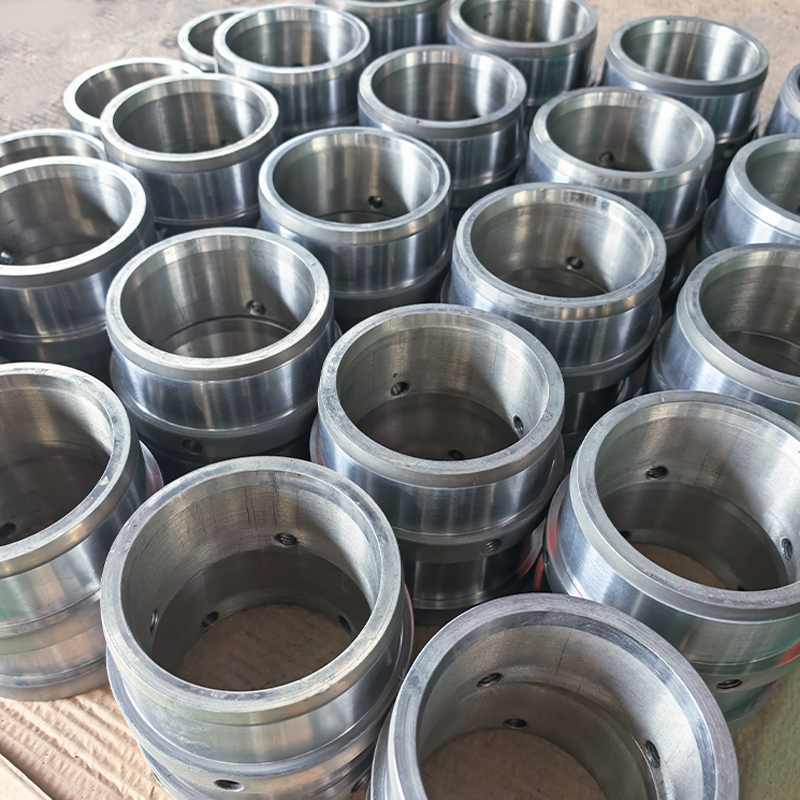
Износостойкие втулки карбида индивидуально
Втулки являются индивидуальными продуктами в...
Посмотреть больше
Втулки являются индивидуальными продуктами в...
Посмотреть больше
Порошок сплава на основе кобальта представляет соб...
Посмотреть больше
Сплавы на основе никеля основаны на никеле и обычн...
Посмотреть большеКонтент
Металлический порошок на основе никеля представляет собой мелкий гранулированный материал, состоящий в основном из никеля в сочетании с другими элементами, такими как хром, молибден, кобальт или железо. Эти порошки разработаны таким образом, чтобы сохранять превосходную термостойкость, коррозионную стойкость и механическую прочность, которыми славятся никелевые сплавы, но в такой форме, которую можно расплавлять, распылять или сплавлять слой за слоем. Благодаря такой гибкости металлический порошок на основе никеля стал популярным материалом в отраслях, где требуются детали, способные выдерживать экстремальные температуры, давление и химическое воздействие.
В отличие от цельных прутков или листового металла, порошковая форма дает производителям огромное преимущество: они могут создавать сложные формы, которые было бы невозможно или чрезвычайно дорого обрабатывать традиционным способом. Вот почему металлический порошок на основе никеля тесно связан с развитием аддитивного производства, также известного как 3D-печать металлом.
Популярность металлический порошок на основе никеля сводится к нескольким ключевым характеристикам, которые трудно найти в других металлических порошках. Вот что выделяет его:
Эти свойства объясняют, почему металлический порошок на основе никеля так часто встречается в аэрокосмических двигателях, энергетических турбинах, нефтегазовом оборудовании и медицинских приборах.
Не все металлические порошки на основе никеля производятся одинаковым способом, и метод производства напрямую влияет на форму частиц, распределение по размерам и общее качество. Ниже приведены наиболее распространенные методы производства, используемые сегодня.
Расплавленный никелевый сплав разбивается на мелкие капли с помощью потока инертного газа под высоким давлением, обычно аргона или азота. Когда капли остывают, они затвердевают в почти сферические частицы. Этот метод позволяет получить чистый порошок с низким содержанием кислорода, который плавно течет, поэтому его предпочитают использовать для 3D-печати.
В этом процессе вместо газа используются струи воды под высоким давлением для разрушения расплавленного металла. Он более доступен по цене, но имеет тенденцию производить частицы неправильной формы с более шероховатыми поверхностями, что делает его более подходящим для таких применений, как сварка или процессы прессования и спекания, а не для точной печати.
При плазменном распылении используется плазменная горелка для плавления и распыления сырья проволоки в чрезвычайно сферический порошок высокой чистоты. Это дороже, чем газовое распыление, но позволяет получить металлический порошок на основе никеля высочайшего качества, который часто используется для изготовления критически важных компонентов аэрокосмической отрасли.
Не существует одного типа металлического порошка на основе никеля. Различные составы сплавов выбираются в зависимости от условий эксплуатации и механических требований готовой детали. В таблице ниже представлены некоторые наиболее широко используемые варианты.
| Сплав Порошок | Ключевые элементы | Типичные применения |
| Инконель 718 | Никель, Хром, Ниобий | Детали реактивных двигателей, диски турбин |
| Инконель 625 | Никель, Хром, Молибден | Морское оборудование, химическая обработка |
| Хастеллой X | Никель, хром, железо, молибден | Камеры сгорания, детали печей |
| Инконель 738 | Никель, хром, кобальт, титан | Лопатки газовой турбины, жаропрочные корпуса |
При выборе металлического порошка на основе никеля распределение частиц по размерам является одной из наиболее важных характеристик, которые необходимо проверить. Слишком крупный порошок может засорить сопла принтера или создать неровные слои, а слишком мелкий порошок может представлять угрозу при обращении и безопасности. В большинстве процессов аддитивного производства используется порошок размером от 15 до 45 микрон, тогда как для термического напыления и сварки могут потребоваться более крупные частицы.
Помимо размера, перед покупкой внимательно обратите внимание на эти качественные показатели:
Универсальность металлического порошка на основе никеля означает, что он применяется в широком спектре отраслей, каждая из которых имеет свои собственные требования к производительности.
Реактивные двигатели работают в условиях сильной жары и стресса, поэтому металлический порошок на основе никеля необходим для производства лопаток турбин, гильз сгорания и других высокопроизводительных компонентов с помощью аддитивного производства.
В электростанциях и газовых турбинах компоненты из никелевых сплавов выдерживают непрерывную работу при высоких температурах, а порошковое производство позволяет быстрее ремонтировать и производить эти критически важные детали.
Оборудование, подвергающееся воздействию агрессивных жидкостей и высокого давления, выигрывает от коррозионной стойкости, которую обеспечивает металлический порошок на основе никеля, что продлевает срок службы оборудования и снижает затраты на техническое обслуживание.
Биосовместимые никелевые сплавы, полученные из порошка, используются для создания индивидуальных имплантатов и зубных каркасов, используя преимущества точности, которую обеспечивает порошковая 3D-печать.
Правильное обращение защищает как качество порошка, так и безопасность людей, работающих с ним. Металлические порошки, в том числе металлический порошок на основе никеля, могут представлять опасность возгорания при неправильном хранении, поэтому важно соблюдать основные правила техники безопасности.
Выполнение этих шагов не только обеспечивает безопасность работников, но также помогает сохранить сыпучесть и химическую целостность порошка с течением времени.
Не каждый поставщик производит порошок по одному и тому же стандарту, поэтому стоит проявлять избирательность. Ищите поставщиков, которые предоставляют подробные сертификаты материалов, согласованные данные о распределении частиц по размерам и возможность отслеживания до исходной партии расплава. Авторитетные поставщики также должны открыто рассказывать о своем методе распыления, поскольку это напрямую влияет на то, как порошок будет работать в вашем конкретном случае. Запрос пробной партии перед размещением крупного заказа — это разумный способ убедиться, что металлический порошок на основе никеля соответствует требованиям вашего проекта, прежде чем расширять производство.
Металлический порошок на основе никеля играет решающую роль в современном производстве, особенно в связи с тем, что промышленность стремится к созданию более легких, прочных и термостойких компонентов. Независимо от того, работаете ли вы в аэрокосмической, энергетической или медицинской отрасли, понимание того, как производится этот порошок, какие качественные маркеры следует искать и как с ним безопасно обращаться, поможет вам получить наиболее надежные результаты в ваших проектах.
Втулки являются индивидуальными продуктами в соответствии с чертежами: Базовый материал: нержавеющая сталь 304, нержавеющая сталь 316, углеродистая сталь, 45# сталь. Во -вторых, дизай...
См. детали
Порошок сплава на основе кобальта представляет собой порошок твердого сплава, который может противостоять различному износу, коррозии и окислению при высоких температурах. Он содержит значительную дол...
См. детали
Сплавы на основе никеля основаны на никеле и обычно дополнены хромом, углеродом, бором, железом и кремнием. Они охватывают широкий диапазон твердости: от мягкой до твердой. Эти сплавы легко поддаются ...
См. детали
Порошок сплава на основе железа относится к порошковому материалу, состоящему из железа в качестве основного тела и других легирующих элементов. Обычно они используются для изготовления механических д...
См. детали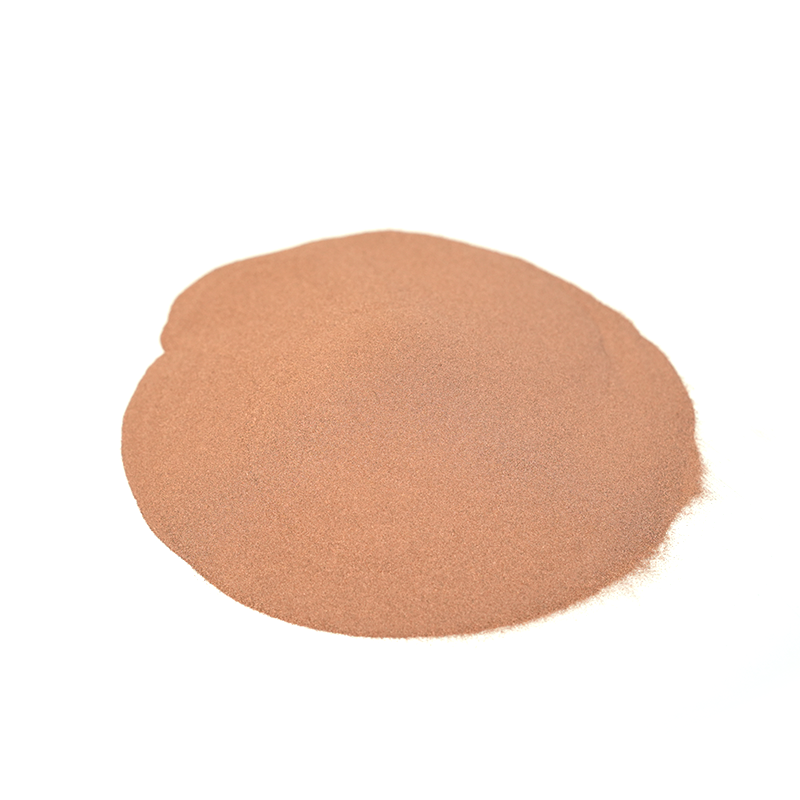
Порошок сплава на основе меди плотный без покрытия, устойчив к фрикционному износу и кавитации, обладает хорошей стойкостью к истиранию и смазывающими свойствами, а также легко режется с покрытием для...
См. детали
Порошок суперсплава на основе никеля представляет собой сплав с высокой прочностью, стойкостью к окислению и коррозии при высоких температурах 650-1000 ℃, который широко используется в высоких темп...
См. детали
Порошок сплава из карбида вольфрама на основе никеля — новый тип металлического материала с широкими перспективами применения. Материал основан на никеле и изготавливается путем добавления соответству...
См. детали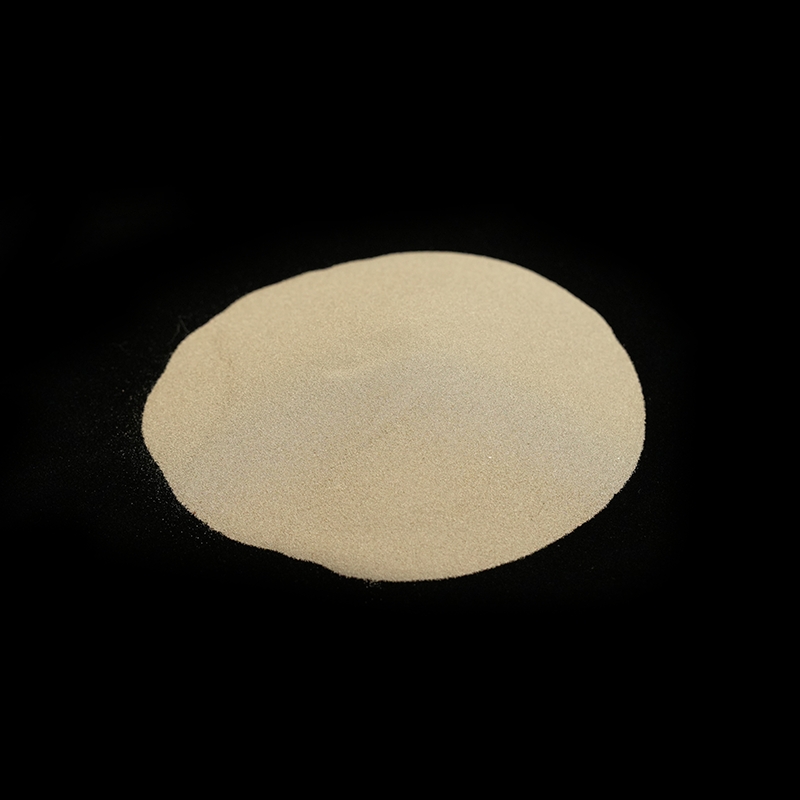
Лазерная наплавка, также известная как лазерная наплавка или лазерное плавление, представляет собой новую технологию модификации поверхности. Он образует плакирующий слой наполнителя, металлургически ...
См. детали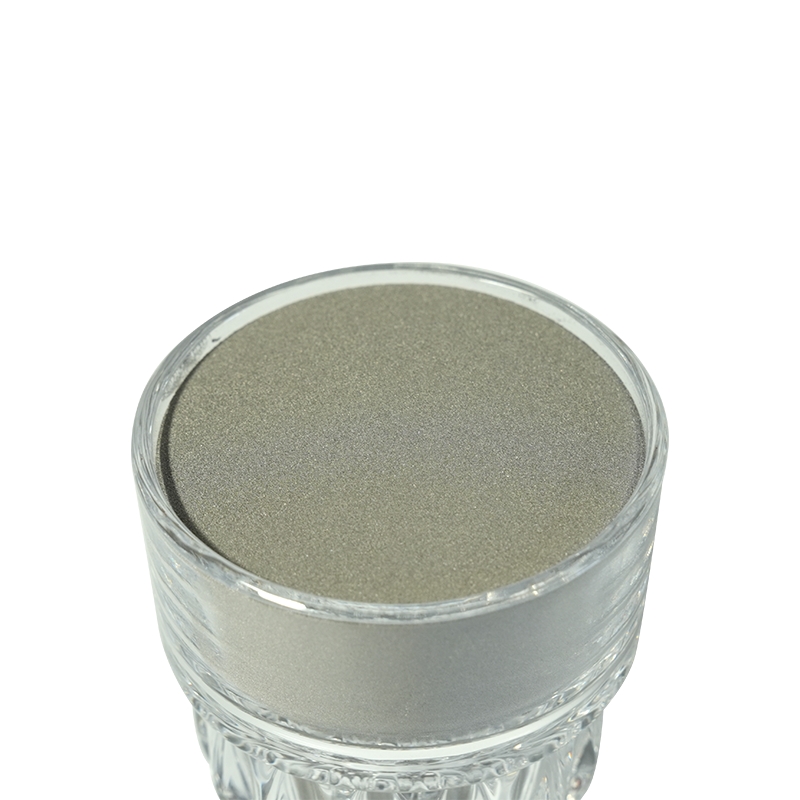
Металлический порошок никеля-кобальта представляет собой порошок металлического сплава высокой чистоты, в основном состоящий из никеля и кобальта. Он широко используется во многих высокотехнологичн...
См. детали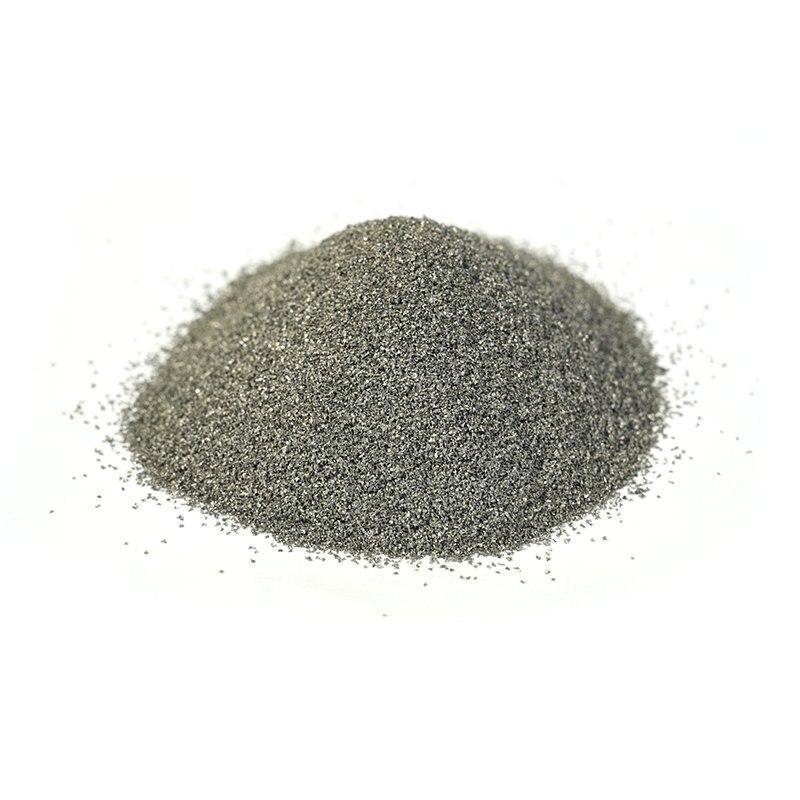
В прошлом фильтрующие материалы для синтетических волокон всегда изготавливались из глиноземного песка, металлической сетки и других материалов. В настоящее время, чтобы повысить эффективность пряд...
См. детали
Композитные твердосплавные сплавы созданы для решения задач, связанных с весьма необычными условиями труда. Будь то высокотемпературная газовая эрозия, сильный износ горных пород или коррозия жидко...
См. детали
Наш карбидный композитный порошок представляет собой высокоэффективный промышленный материал, сочетающий в себе различные карбиды. Он имеет чрезвычайно высокую твердость, износостойкость и отличную...
См. детали


 Промышленная зона концентрации Бяньчжуан, район Цзянъянь, город Юйси, провинция Цзянсу, Китай
 +86-0523-86505558 / +86-0523-86506668
 +86-13961019985 / +86-18852676660
 [email protected]
Авторское право ©Jiangsu Crystal Additive Manufacturing Co., Ltd. Все права
Зарезервировано.
 Производители порошков металлических сплавов